




Facility Assessments
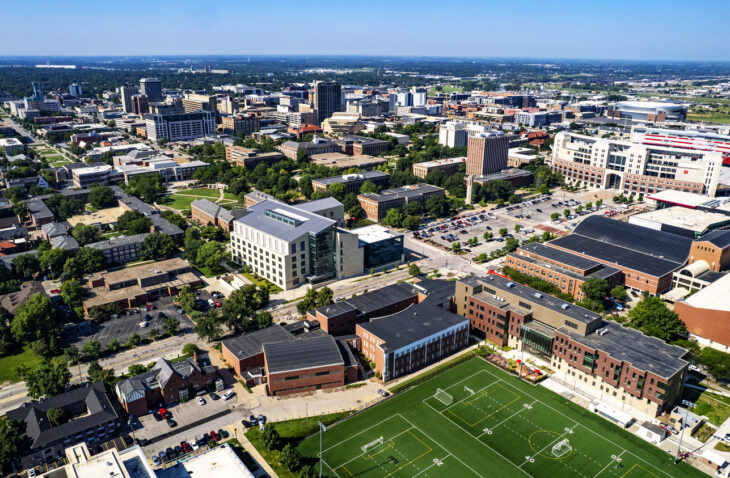
The project: IMEG conducted a comprehensive facilities assessment for the housing, dining, and student union buildings on the University of Nebraska-Lincoln (UNL) campus.
The goal: The project aimed to evaluate the mechanical, electrical, plumbing, and building controls systems across
24 facilities, totaling approximately 3 million square feet, to determine the condition of existing systems, identify deficiencies, estimate remaining system life, and provide cost projections for replacements.
Project approach: The facilities assessment focused on evaluating the operational integrity and efficiency of each building’s systems. This included assessing the condition of mechanical, electrical, and plumbing systems, reviewing the functionality
of building automation controls, analyzing energy usage data, and calculating the Energy Use Intensity (EUI) for each building. IMEG evaluated system performance to identify deficiencies, ranked each by importance for repair, and provided budget pricing for the recommended actions. Our team further analyzed the remaining useful life of major equipment and mapped out annual replacement cost projections to support capital budgeting.
IMEG collaborated with the project team to conduct detailed evaluations, compiling and analyzing operational and energy consumption data for each building. The assessment process involved on-site inspections of mechanical, electrical, and plumbing systems, interviews with facilities personnel, along with a thorough evaluation of the existing building automation controls and their effectiveness. Historical energy consumption data was analyzed to establish EUI benchmarks, and findings were documented through narrative reports, tabular data, and photographic evidence. Energy usage comparisons to similar facilities were also illustrated through graphical representations.
Project outcome: The facilities assessment reports provided UNL Housing and Dining Services with a clear and detailed understanding of the current system conditions and operational efficiencies. The documented findings, cost estimates, and energy performance metrics will support future planning efforts to enhance building functionality, optimize energy efficiency, and strategically allocate maintenance and replacement budgets.