
New Luxury Hotel
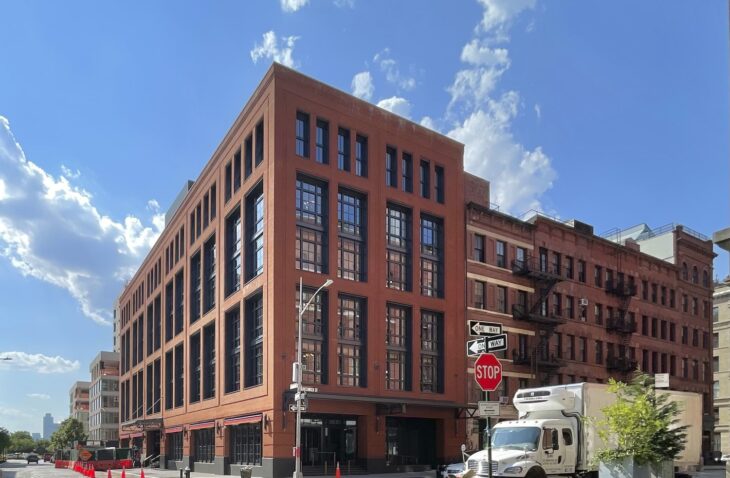
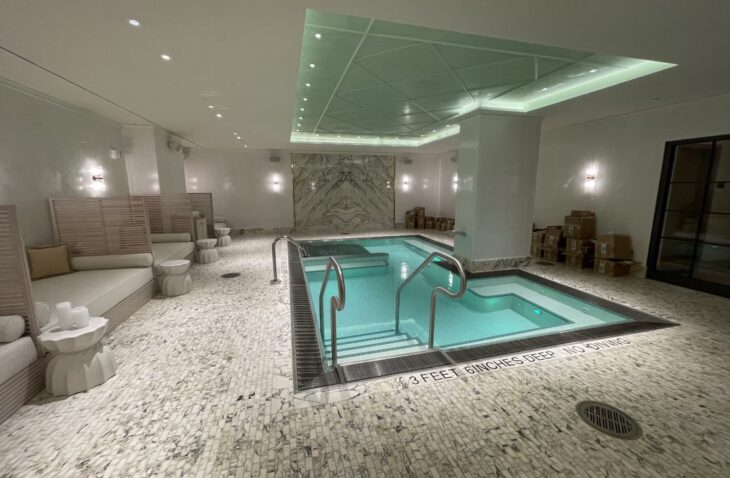
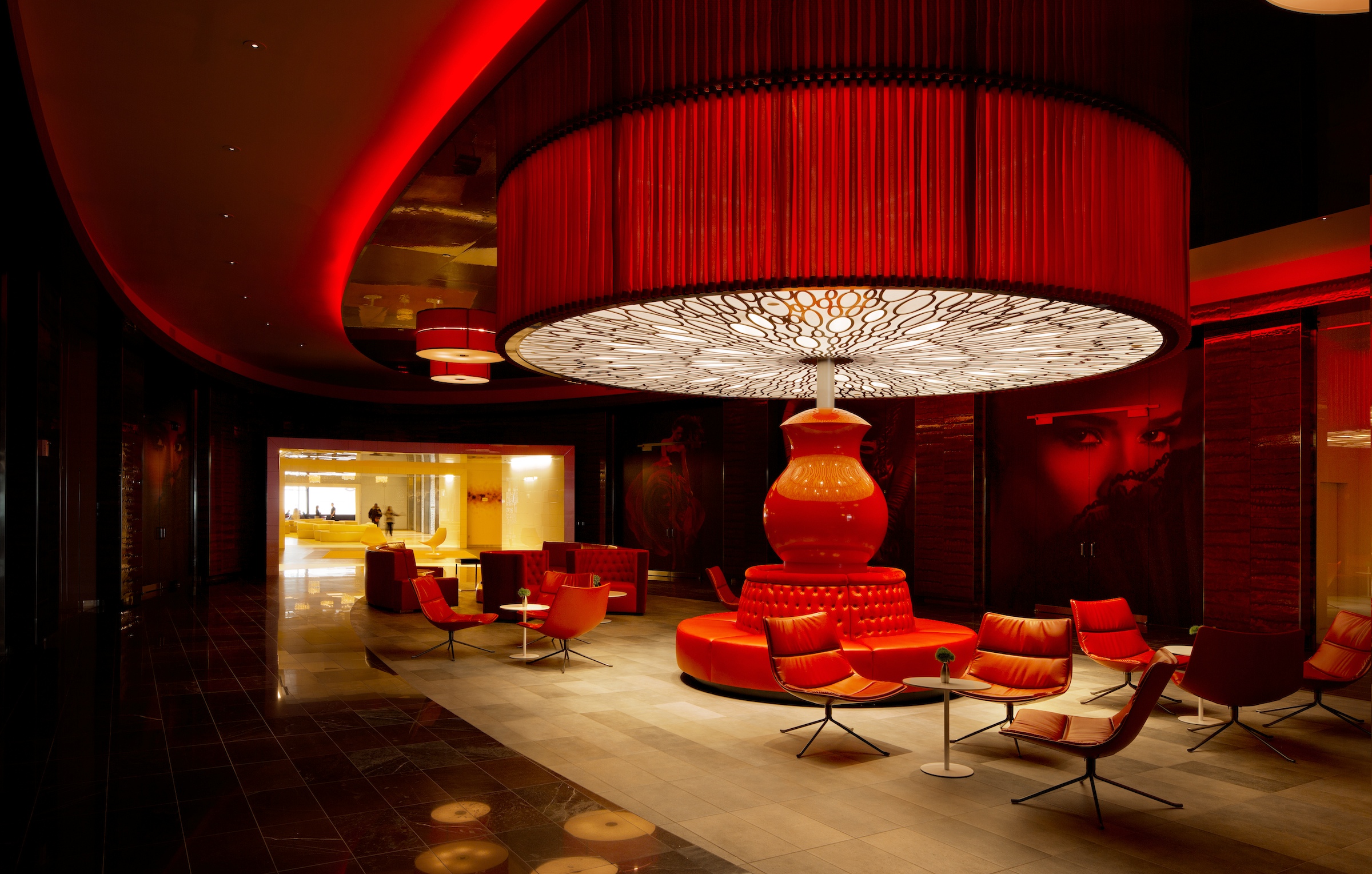
During construction of the nine-story Hotel Barriere Fouquet’s NY, the COVID pandemic swept the world; only two years later, however, the hotel designed to serve as a “beacon of hope” to the future of the city had its grand opening. IMEG provided structural, mechanical, electrical, plumbing, fire protection, and low-voltage technology engineering design services for the five-star hotel which features a 100-person theater, spa, indoor pool, rooftop terrace, ground level restaurant, café, bar lounge, and conference rooms.
All equipment was designed to be energy efficient. A four-pipe fan coil system fed by both chiller and boiler combines the function of a chiller for cool air, and boiler for warm air, providing simultaneous and instant heating and cooling. Heat that would normally be wasted is captured and used for the heating needs of the building — restaurant, kitchen, pool, etc. — with far less energy required, resulting in improved energy efficiency, reduced operational costs, and a smaller carbon footprint.
Lighting loads are served via lighting distribution panelboards with state-of-the-art lighting controls that integrate to a guestroom system and base building management system. Design for sanitary piping and roof drains, fire sprinkler protection, and ADA-compliant fire alarm systems were provided. An emergency generator system was designed for back-up power.
Located within the historic district of Tribeca, the facade of the building was paramount. Care was taken during mechanical, electrical, plumbing, and structural design to limit views of the exterior mechanical equipment. Bulkheads, parapets, railings, and screen louvers were utilized to maintain the aesthetic look. Highly efficient mechanical and structural systems were designed. All designs were vetted through city agencies, including the NYC Landmark Preservation Commission.
For the structural design, secant pile walls were used as support of excavation due to the site constraints, eliminating the need for underpinning of adjacent buildings. This allowed for two below-grade levels to be 25 feet lower without sacrificing space. Structural columns were supported by the mat foundation, a continuous slab resting on the soil that extends over the entire footprint of the building, thereby supporting the building and transferring its weight to the ground. To reduce issues with storm surge, as experienced during Superstorm Sandy, domestic booster pumps, valves, fire pump, and electrical switchgear room were placed on the first floor.