






Early fuel system design helps ensure the best project outcomes for customers and owners
By Tim Perrien
Having designed fuel systems for nearly 40 years, it has been our experience that the smoothest, most efficient, and highly successful projects are those in which our team is involved during early planning.
The reasons for this are many and vary slightly depending on the type of project. But whether you have a generator, boiler, retail, agricultural, or fleet/warehouse project on the horizon, having a fuel system designer on board early in the process will help ensure the best outcome. Such early engagement greatly aids the decision-making process and provides many more benefits. Some of the key items we consider when designing systems include:
Type of project and required fuel: Bulk fuel storage systems will have different fuel system design considerations that, if not accommodated for early, can slow down a project, can slow down fueling efficiency, or require complete demolition and rework. Also, different types of fuels such as gasoline, diesel, kerosene, ethanol, compressed natural gas, etc., have different design and regulatory requirements that must be considered during the design process.
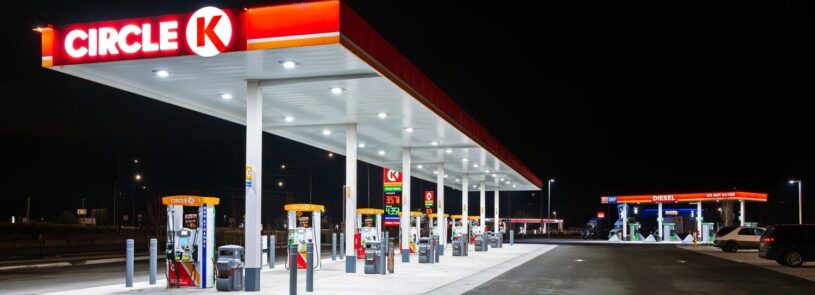
The customer experience: Our team can calculate the number of dispensers (delivery stations) needed for a project and optimize the overall site layout, both of which are particularly important for retail operations, where customers don’t want to wait to get fuel. In such cases, the number of dispensers and layout required can be calculated based on the owner’s expected number of patrons per day. In addition, using the latest fuel system technology ensures safety for patrons and makes the difference between refueling in a couple of minutes versus waiting an eternity for a very slow pump to fill the tank.
Site selection: Fuel system factors play a huge role in finding the appropriate location for a new facility. Some of these factors include the slope and terrain of the site, size/type of vehicles to be refueled, type of fuel, whether the storage tanks can be underground or above ground (or, in some cases, indoors) the required footprint for the building and associated dispensers, tanks, and canopies, ease of ingress and egress of refueling trucks, and access to existing utilities.
Compliance: Any site being considered needs to comply with state and federal regulations as well as regional ordinances and the authority having jurisdiction (AHJ). This includes evaluating the site for environmental compliance and ensuring the fuel system design follows all related environmental protection requirements, including active leak detection.
Early engagement of a fuel system engineer also helps optimize project team coordination from planning through activation. Such collaboration helps ensure that the owner, architect, fuel engineer, civil engineer, and structural engineer (IMEG can provide all three) can communicate and accommodate the needs of everyone and avoid clashes and rework.
In the end, the focus is always on delivering the best end-user experience possible.
Tim Perrien is IMEG’s fuel system design expert with 37 years of experience in the field. For more information, contact him at tim.w.perrien@imegcorp.com or IMEG Client Executive Bill Hodge at bill.hodge@imegcorp.com.
Learn more about IMEG’s fuel system design capabilities and services.