






National Science Foundation Ice Core Facility
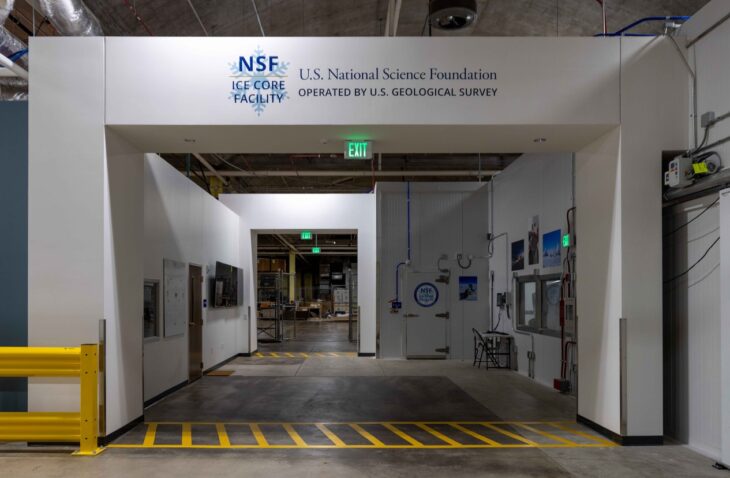
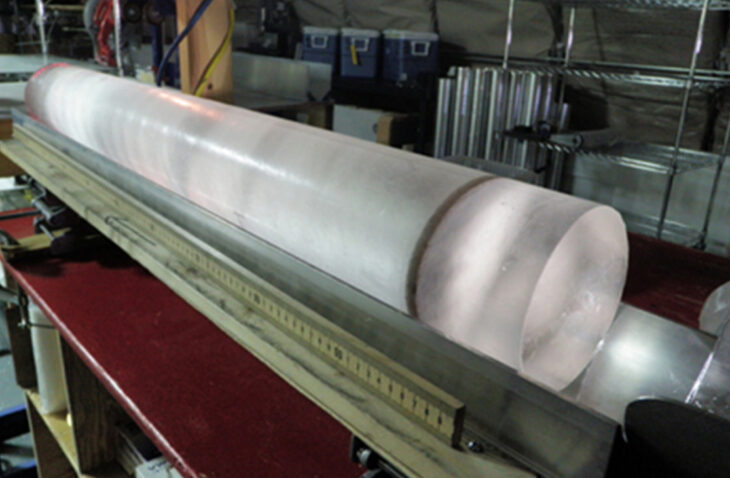
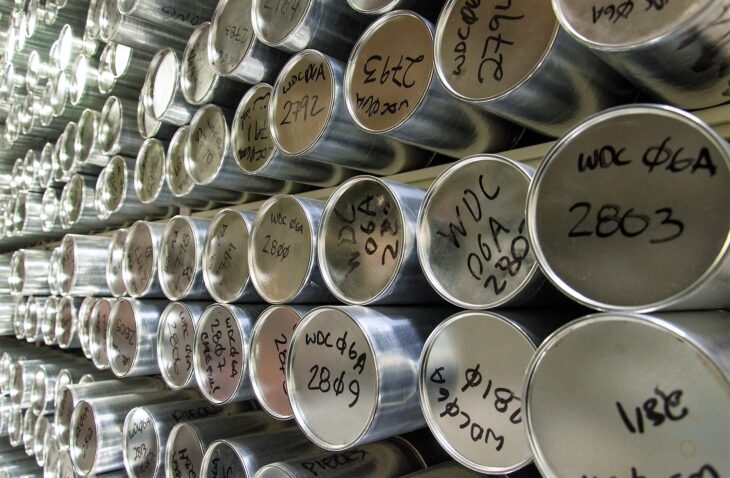
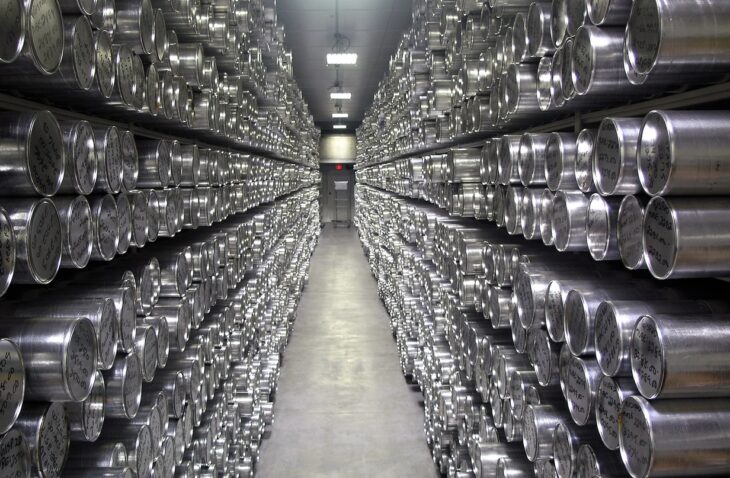
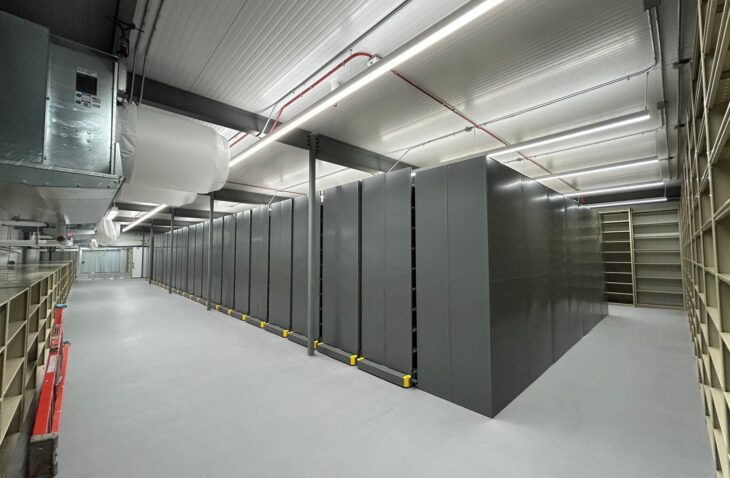
The project: The National Science Foundation’s new 19,000-sf ice core research space incorporates -40°C refrigerated storage, laboratory/processing space, storage areas, offices, and support areas to store and curate meteoric ice cores recovered from glaciated regions of Antarctica and North America, preserving their integrity in a long-term, state-of-the-art repository. The new facility also provides scientists with a laboratory in which to conduct examinations and measurements on the cores, which are recovered for a variety of investigations.
The goal: Replace the existing 1990s-era facility and provide improved reliability, spatial efficiency, and modernized systems
for the long-term preservation of the irreplaceable ice cores while supporting the daily needs of scientists, staff, and visiting researchers from around the world.
Design highlights: The design team collaborated closely to ensure the design met the owner’s top priority, reliable ultra-low-temperature operation, because any loss of cooling could threaten the integrity of the ice cores. That criticality drove every design decision, from envelope detailing to system selection.
The structural design included a steel exoskeleton that supports the super-insulated panels required for the cold storage temperatures and a sub slab system that allows the forklifts used to maintain the ice cores to transition between the existing and new facilities at grade.
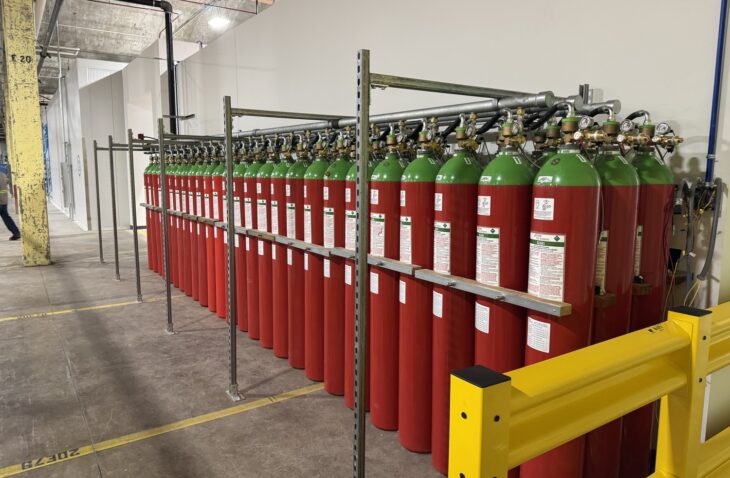
The facility also includes high-density wall receptacles, ceiling power drops, chemical suppression, a portable generator, and two independent cooling systems that provide backup while sharing runtime evenly to ensure flexibility, reliability, and cold-weather protection.
Additionally, a specialty designer identified by IMEG provided a transcritical CO₂ refrigeration system that ensures an efficient and low GWP, eliminates environmentally harmful refrigerants, and improves energy performance.
Challenge: Preventing heat gain into a space operating at -40°C. Solution: The team carefully eliminated thermal bridging and developed unique details at the walls, penetrations, doors, and windows so exterior warmth would not migrate into the freezer. Doors and windows were heat traced so they would not freeze shut and conduit and piping transitions from the warm side to the cold side were fully insulated and sealed to keep cold air from traveling through the building assembly.
Challenge: Introducing outside air in the freezer could cause moisture to freeze out like snow. Solution: IMEG engineers developed a custom, yet cost effective, specialty outside air ventilation system that conditioned incoming air before it entered the facility.
Challenge: Very few standard equipment components will work in the cold environment. Solution: The team coordinated closely with vendors to identify HVAC, lighting, and fire protection systems that would remain reliable at -40°C.
Challenge: Traditional smoke and heat detection and water based fire suppression solutions were not available for the extremely low temperatures. Solution: The fire protection design included an inert gas suppression system designed for total flooding and oxygen displacement of the freezer and refrigerant machinery room.
Challenge: Eventually, conditions in the ice core facility would freeze the ground below. Solution: The team designed a permafrost prevention system that captures waste heat from the refrigeration system and reuses it to maintain ground temperatures.
The outcome: The NSF Ice Core Facility provides long-term frozen storage, processing, and scientific examination of the irreplaceable ice cores collected from U.S. Arctic and Antarctic drilling operations. These ice cores serve as a globally significant scientific resource and are used by researchers from around the world to support a wide range of climate, environmental, and geophysical studies.