
AFCEC – HVAC and Plumbing Infrastructure Modernization
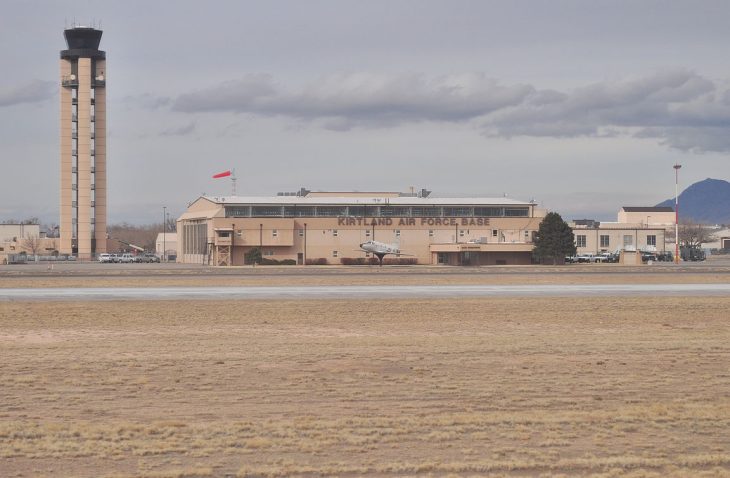
IMEG, under its joint-venture with PRIME AE, provided engineering design services for the following infrastructure projects:
HVAC system replacements: IMEG provided structural, mechanical, electrical, and plumbing engineering design services for repairs and replacements at Kirkland Air Force Base. The team provided design to replace the HVAC systems of Islands A, B, and C and meet the needs of the island occupants located inside Hangar 1001. Constructed in the early 1950s, Hangar 1001 primarily houses and maintains Air Force helicopters. Located inside the hangar are three structures referred to as Island A, B, and C, which are composed of offices and industrial workspaces. Phasing was a critical part of the design and construction to upgrade the HVAC systems.
HVAC System replacements in Building C included:
- Area 1, housing welding/water jet shops, was provided with a new packaged heat pump system with hot gas
re-heat for dehumidification including a new duct work system. - Area 2, housing breakroom/moral room, and Area 4 containing the sheet metal shop, were provided with new rooftop DX/gas-fired packaged AC units with hot gas re-heat for dehumidification. Existing duct work was modified and added to as required to accommodate the new rooftop units.
- Area 3 with first floor offices, and Area 7 with second floor offices, were provided new VRF systems with the condensing units mounted on the exterior roof of Building C.
- In Area 5, the new HVAC system was provided with new controls. The system was tested and balanced and re-commissioned as a part of this project.
- Area 6, housing the machine shop, was provided with a new split system heat pump. The existing duct work system was modified as required to accommodate the new air handler installation.
Outside air systems included:
- Areas 1 and 6 systems received outside air via wall louvers ducted directly to each unit.
- Areas 2 and 4 roof-mounted packaged DX systems received outside air via unit mounted intakes.
- Areas 3 and 7 with VRF systems are served by a dedicated outside air (DOAS) unit mounted on the roof of Building C. Outside air is ducted to each space served by the VRF systems as required by ASHRAE 62.1.
All new supply and outside air ductwork are single wall round or rectangular galvanized duct. The facility was provided with fully ducted supply, return, exhaust, and outside air systems. New gas fired industrial unit heaters were provided for the hangar bays. A new, complete BACnet automatic temperature control system was provided for the facility. A life cycle cost analysis was completed for three alternative systems.
Five new roof top mechanical units were installed on the lean-to structure. The roof top mechanical units are supported on mechanical curbs placed on the existing four-inch deep, 18-gauge metal roof deck. New roof framing was installed under the roof deck to support the new mechanical equipment.
Modifications to the existing fire sprinkler systems were required to support the HVAC upgrades. A new fire alarm control panel was installed to serve as the building’s main control panel. New fire alarm detection and control devices were also provided to support the project HVAC replacement/upgrade.
Modifications to the existing electrical systems were required to support installation and demolition of proposed HVAC systems. Existing primary and secondary electrical distribution equipment remained and was reused. New electrical panelboards and transformers were provided and connected to the existing systems.
Building 27496 & 27497 plumbing renovation: IMEG provided mechanical, electrical, and plumbing investigation and engineering design services for the evaluation and repair of the piping, including sewer, domestic, and chilled/hot water lines, at Building 27496 and 27497 at Kirtland AFB, New Mexico.
Our team provided pre-design planning support, and the preparation of designs including plans, drawings, design analyses, specifications, and cost estimates to execute a site- specific construction project. Since Building 27496 was fully occupied throughout the duration of the project and mission operations could not be interrupted, the work was completed in phases.
Problems with the original sewage, domestic, chilled, and hot water systems occurred requiring increased maintenance to keep them operational. The main chiller located in B27497, which served B27496, was undersized, as was the redundant chiller. Numerous air handling units were added to accommodate the growing number of personnel working in the building. Upgrades to the HVAC system were needed to provide occupant comfort.
This project included an evaluation of the systems and the development of full design documents to correct the deficiencies. A site visit and field investigation were coordinated and conducted at the restricted access building. The project involved the renovation of a critical utility system in a restricted, secure facility, requiring the design team to carefully coordinate access and scheduling.
The system evaluation determined the status and condition of the existing plumbing systems inside Building 27496. The study included chilled and hot water lines all the way to B27497’s mechanical room and domestic water and sewage lines to the first junction outside the facility. Pressure level, required flow rate, actual flow rate, temperature measurements, review of maintenance records, assessment of corrosion levels, pipe thickness, and the available area within the pipes were evaluated. Deliverables included life expectancy, system adequacy and expected performance life of these systems, and recommendations for repair, replacement, and modification. Cost estimates for each water system were provided.
The design included the replacement of all piping in need of repair, along with an upgrade of the chilled water system to accommodate the heat loads produced in the underground complex. This included the replacement of the main and redundant chillers, chiller pumps, piping for sewage, domestic water, and chilled and hot water lines, all associated valves, and any controls in need of replacement. The size of the pumps and piping needed to be enlarged in order to optimally serve the system with the increased capacity of the chillers.
The existing electrical distribution was reused to serve new circuits. Where existing mechanical equipment was replaced with new equipment with the same electrical connection requirements, the existing circuit was reused to refeed the new mechanical equipment. New power connections were provided for the new equipment and for any equipment that increased in size with a new electrical power requirement. The design also includes a new electrical powerboard in B27497 to connect new HVAC air-cooled chillers, 480/277V, 800A main circuit breaker.
The repair design was completed in conformance with UFC 4-010-01 DOD Minimum Anti-terrorism Standards for Buildings and UFC 4-420-07F Facilities Criteria – Air Force Nuclear Weapons Maintenance and Storage Facilities.
Sustainable design requirements are included in the design of the HVAC systems in conformance with UFC 1-200-02 High Performance Sustainable Building Requirements and UFC 4-010-06 Cybersecurity of Facility-Related Control Systems.
HVAC system repair: IMEG provided field investigation and engineering design services to replace the HVAC system along with the necessary electrical working dorm Building 20351 at Kirtland AFB. The project scope was to replace all chillers, boilers, pumps, exhaust fans, two-pipe fan coil units, and piping related to the existing HVAC system.
The three-story airmans’ dormitory, built in the 1950s, has gone through several renditions of the HVAC system. Due to the age of the facility and the HVAC system, maintenance and upkeep of this system was a constant battle. The exhaust fans, chillers, and fan coil units were old and in poor condition. The piping did not have water treatment for several years and caused issues with the fan coils units and pumps due to sediment composed of rust and metal shards. The fan coil units developed sediment blockages due to the poor conditions of the pipes, and the pumps had to be repaired/replaced twice a year from the metal shards tearing up their seals. The boilers were near the end of their lifespan.
The design of the HVAC system replaced all chillers, boilers, pumps, exhaust fans, two-pipe fan coil units, and piping related to the existing HVAC system. The HVAC system is used to heat and cool all areas of Dormitory 20351 and includes new ductwork including grilles, louvers, and diffusers as needed. The existing controls were replaced and new direct digital controls and remote monitoring for the HVAC system were provided. The design complies with all DoD energy conservation measures. A life cycle cost analysis has been conducted comparing three different system types over a 40-year study period.
The electrical work included adding a 480 volt electrical distribution system with a 1000 KVA-480Y/277 volt oil filled transformer connected to an exterior mounted 1600 amp, 480 volt switchboard. All new mechanical equipment connects to this switchboard. The transformer/switchboard addition was sized to serve future tenants that require a power quality electrical service. The existing 208Y/120 volt electrical distribution system is 26 years old and requires removal in a few years. The new 480 volt distribution system replaces the 208 volt system with dry-type transformers/208V panelboards. The new switchboard and all panelboards contain electronic trip circuit breakers, SPDs and PQMs. The ground electrode system was replaced and enhanced with XIT-type ground rods. A master ground bar was established where all dry type transformers and telecom boards were referenced from the master ground bar.
New smoke detectors in the AHUs were interconnected with the existing fire alarm panel as required. Automatic and pushbutton HVAC system shutdown were incorporated into the design. Based on HVAC re-design, fire sprinklers needed to be relocated to accommodate changes in ductwork, diffusers, etc. A new direct digital control and remote monitoring are compatible with KAFB System.