
Career and Technical Education Center


The project: The Kalamazoo Regional Educational Service Agency (KRESA) built the Career Connect Campus to centralize and elevate its Career and Technical Education (CTE) programming. This 162,000-sf, two-story hybrid mass timber facility will support 1,400 high school students from across Kalamazoo County as they learn more about 23 career pathways. Designed as a dynamic, immersive learning environment, the building includes advanced labs for automotive, culinary, veterinary science, robotics, simulation healthcare, and more.
The goal: The goal of the Career Connect Campus was to create a future-ready, sustainable facility that integrates hands-on learning with modern building systems to prepare students for high-wage, high-demand careers. KRESA and its partners set out to design a sustainable, engaging space that reflects industry standards and inspires curiosity in students—while showcasing the building’s inner workings as part of the educational experience.
Challenge: Sustainability is extremely important to KRESA’s students and faculty. Solution: This facility incorporated a mass timber structural system to reduce embodied carbon and an extremely efficient variable refrigerant system that will reduce energy costs and reduce its operational carbon footprint.
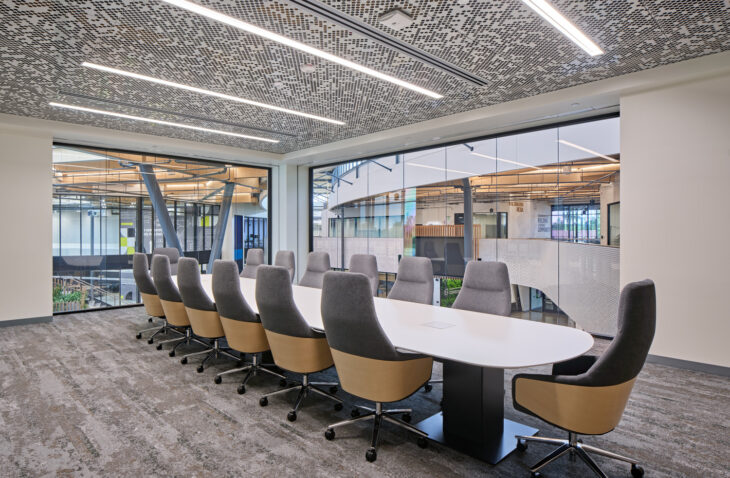
Challenge: Creating a sustainable structural design for a large-scale facility. Solution: To align with sustainability goals and promote wellness, the design team chose a hybrid mass timber structure. The building features exposed cross-laminated timber (CLT) roof panels and glulam beams supported by steel-braced frames and CMU shear walls. Four large round HSS X-columns support the clerestory roof and overhangs. This approach reduced the building’s carbon footprint and created a warm, biophilic environment that supports student focus and well-being.
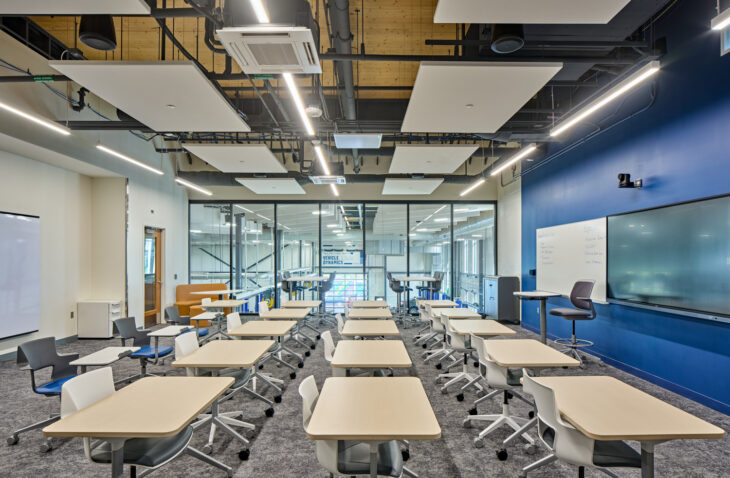
Challenge: Integrating technology as a learning tool. Solution: Rather than hiding mechanical and IT infrastructure, the team opted to expose many of the building systems as part of the design. Server racks, conduit, and mechanical runs are visible in common areas and labs, giving students firsthand insight into how technology powers modern buildings. These intentional choices support STEM learning and demystify the technical systems students may one day design, maintain, or operate.
Challenge: AV consistency across instructional spaces. Solution: IMEG developed a standardized AV framework for each classroom and meeting area. All rooms share the same core equipment, user interface, and operational workflow, simplifying training and support. Camera feeds can be routed between adjacent areas, when necessary, support remote hybrid learning, and special guest lecturers. Touch-enabled digital screens in the classrooms enhance collaboration and interactivity.
Challenge: As education evolves to meet the demands of a rapidly changing world, schools are becoming hubs of innovation where technology plays a pivotal role. Solution: Designing flexible technology infrastructure for scalability and longevity supporting collaborative, interactive, and personalized learning experiences. Preparing for advancements in technology like AI, and IoT in education.
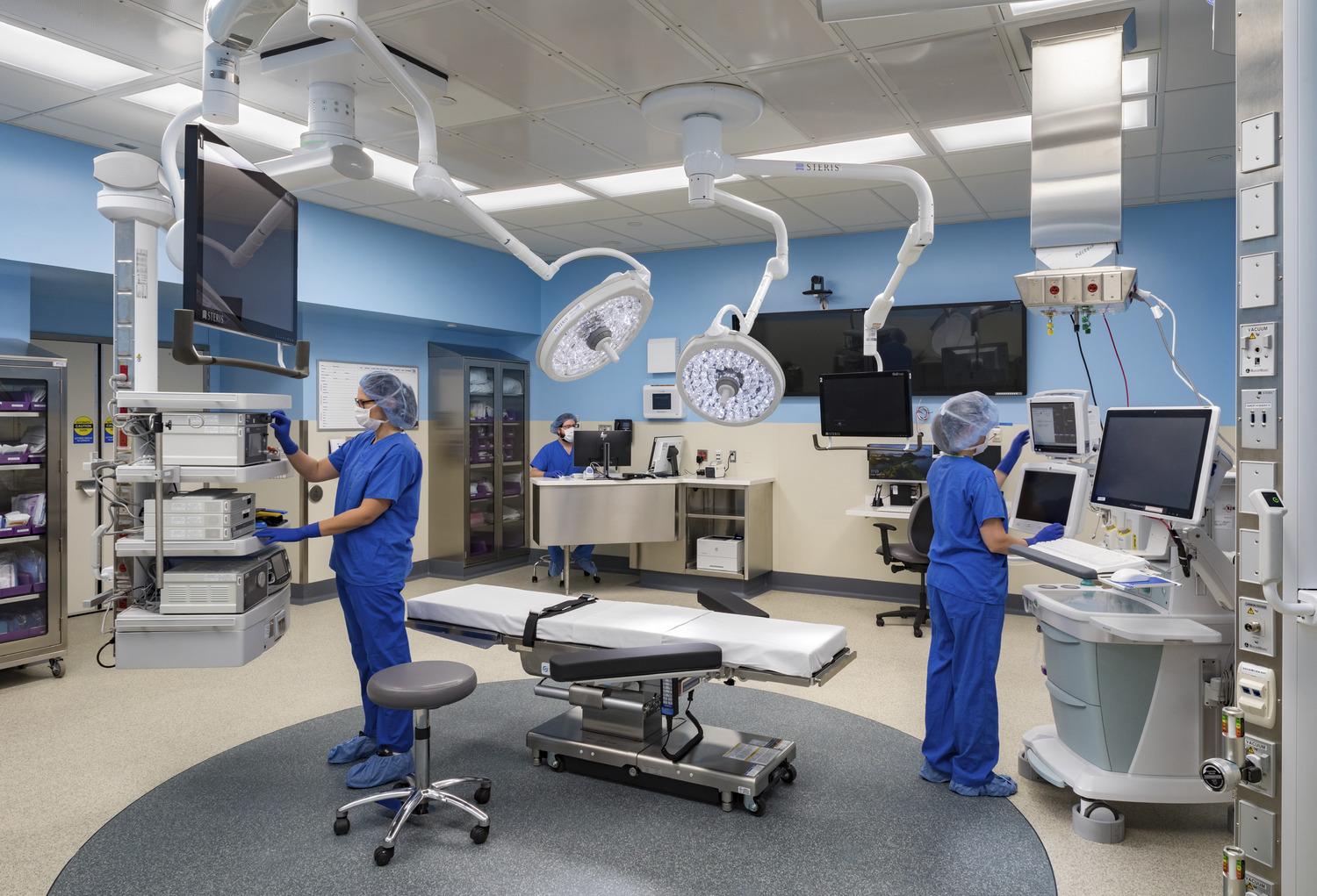
Challenge: Accommodating diverse, hands-on programs. Solution: From simulation labs and industrial kitchens to forklift simulators and welding bays, each program requires specialized infrastructure. IMEG’s MEP and structural teams worked closely with educators and stakeholders to tailor each space layout, acoustics, and power needs. The facility includes two separate 3,000A electrical services to support both general loads and power-intensive manufacturing labs, plus flexible electrical distribution using track busways to allow equipment connections to be easily added and changed.
Outcome: The Career Connect Campus is poised to become a model for career-focused education. Its sustainable design, integrated systems, and industry-aligned programming will empower students with real-world experience and credentials—while supporting Kalamazoo’s long-term economic development goals. The sustainability features exemplify modern building design, that KRESA students can learn from and use as an operational working laboratory as they prepare for CTE careers of the future.