
Lab Building Addition and Renovation


The project: The 120,000-sf renovation and 71,600-sf addition of Blunt Hall (formerly Temple Hall) into the new College of Natural and Applied Sciences. The expansion will provide more learning space to meet the growing number
of students entering the field and showcase the research and teaching labs. IMEG is providing mechanical, electrical, plumbing, fire protection, and technology engineering design services for the expansion.
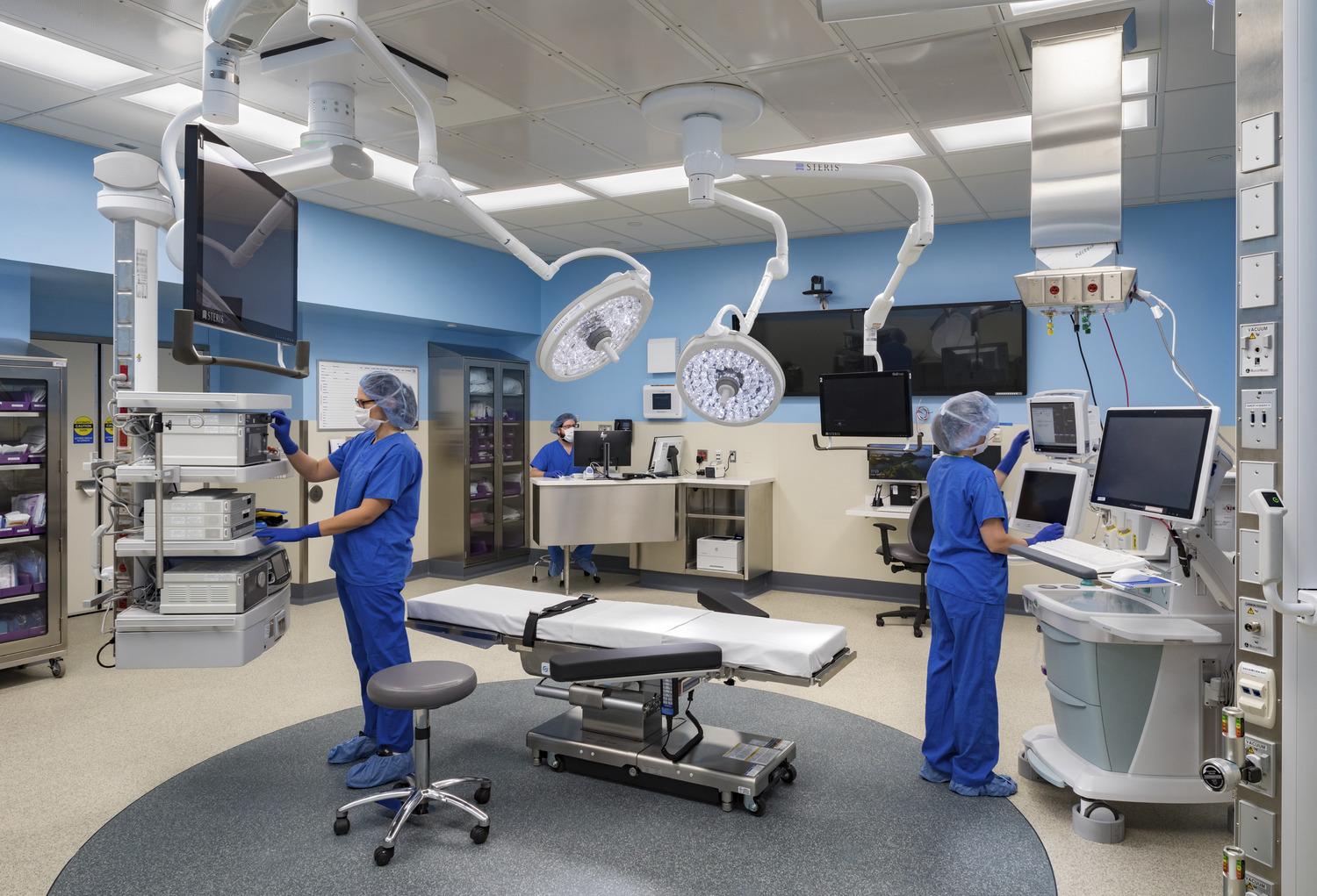
Project amenities: The college will include office space, lab space, work rooms, classrooms, and student space for the university’s biology, chemistry, geography, geology, and planning departments.
Challenge: The University wanted the addition to be flexible, robust, and able to handle a wide-range of lab services while matching the existing construction and incorporating modern laboratory design standards. This meant the building’s existing 12-foot floor-to-floor height would remain, creating complex coordination issues that aren’t typical for lab projects today. The project then moved into a complex phased renovation of the existing building to bring it up to modern lab standards. Solution: IMEG, involved from the programming phase and meeting weekly with MSU staff from the start of the project, was able to identify early coordination items that helped shape the building and document the campus’s basis of design for different systems, as well as keep the project within budget. The new renovation consolidated air handling units, upgraded the systems and provided more robust redundancy for an aged system.
Project design: Mechanical and electrical systems will be sized to serve both the addition, existing building, and the new laboratory exhaust system as well as allow for future flexibility. The new electrical main gear also allows for flexibility in the lab spaces while a new generator provides backup power for critical lab systems. The electrical system will also be rated for dual voltages so that in the future it can connect to a new medium voltage loop.
Mechanical design incorporates several sustainable features including a large energy recovery unit, system setbacks, recessed radiant heating on the exterior, and the first chilled beam cooling system at MSU.
Expected outcome: The project is expected to have energy use intensity (EUI) savings of 20% and is being designed
to meet the AIA 2030 commitment. It is on track to be completed in August 2026.