




Open Architecture Controls Solution Development, Integration, and Optimization
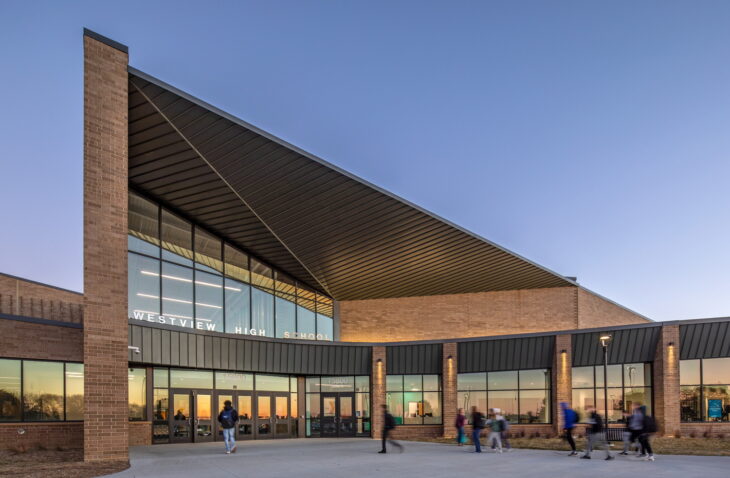
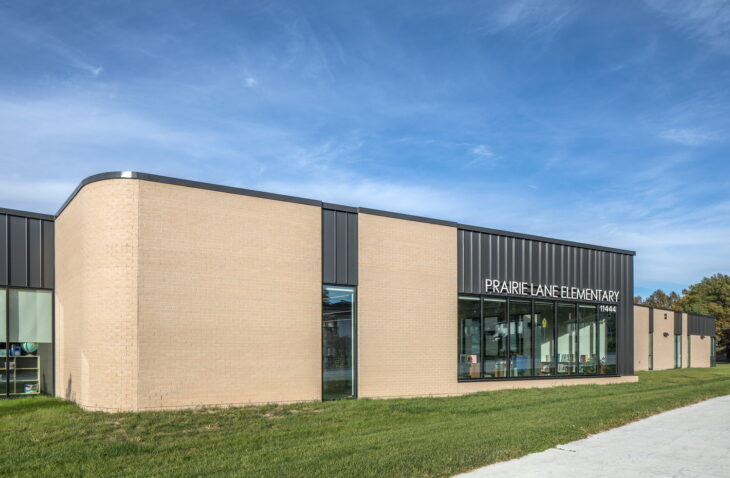
The project: Develop and implement an open-architecture, Niagara 4 Supervisor front-end based on new, owner-specific controls standards to overlay existing proprietary Building Automation Systems (BAS) across the Omaha Public Schools (OPS) facilities, integrate the first 16 schools into the new frontend, and implement HVAC optimization programming.
The goal: To design and develop a HVAC controls solution that provides unified operations across OPS facilities—without having to discard and replace existing BAS and related DDC equipment—that enables competitive bidding for new systems and future support agreements without compromising the district’s standardization objectives; and optimize system performance for operational efficiency.
Design approach: IMEG collaborated closely with OPS to establish new technical standards and configuration specifications that controls contractors and associated trades must follow to ensure that all new BAS and DDC equipment and components achieve the standardized outcomes established for the district. This included standardized user interface graphics and a standardized point naming scheme (based on the Haystack standards) that ensure all points are named consistently throughout OPS’s portfolio of buildings and systems. The approach included a thorough inspection of existing BAS systems and associated DDC equipment at the selected schools to identify and resolve limitations as needed for successful integration of the schools into the frontend. The affected systems were also optimized utilizing IMEG’s controls programming strategies.
Challenge: The district faced significant operational inconsistencies and inefficiencies due to the use of various proprietary controls systems, which hindered competitive bidding and resulted in ever increasing costs for system upgrades and service contracts. Solution: IMEG’s approach involved implementing the Niagara 4 framework, which allowed for fully open architecture and greater flexibility. This not only resolved the existing inefficiencies but also enabled OPS to obtain competitive bids for future upgrades and services.
Project outcome: The successful integration of the initial batch of schools resulted in a more efficient, consistent, and cost-effective operational environment for the schools. Additionally, the district reported that nearly $1 million was saved due to completely bidding the controls for their first three controls projects. IMEG was later contracted to optimize system performance and integrate 20 additional schools into the new frontend. The new Niagara 4 framework empowers the district to lower its costs and facility staff with improved building management capabilities, ultimately enhancing the comfort and learning environment for students across the district.