
The Sky’s the Limit: BD+C ranks IMEG in the Top 25 in the Aviation market
“Most airports want local presence and want you to be on site, understand their systems, and their operations,” Quast says. Having people that know aviation, know the market, and have boots on the ground able to accommodate the client, is important.”
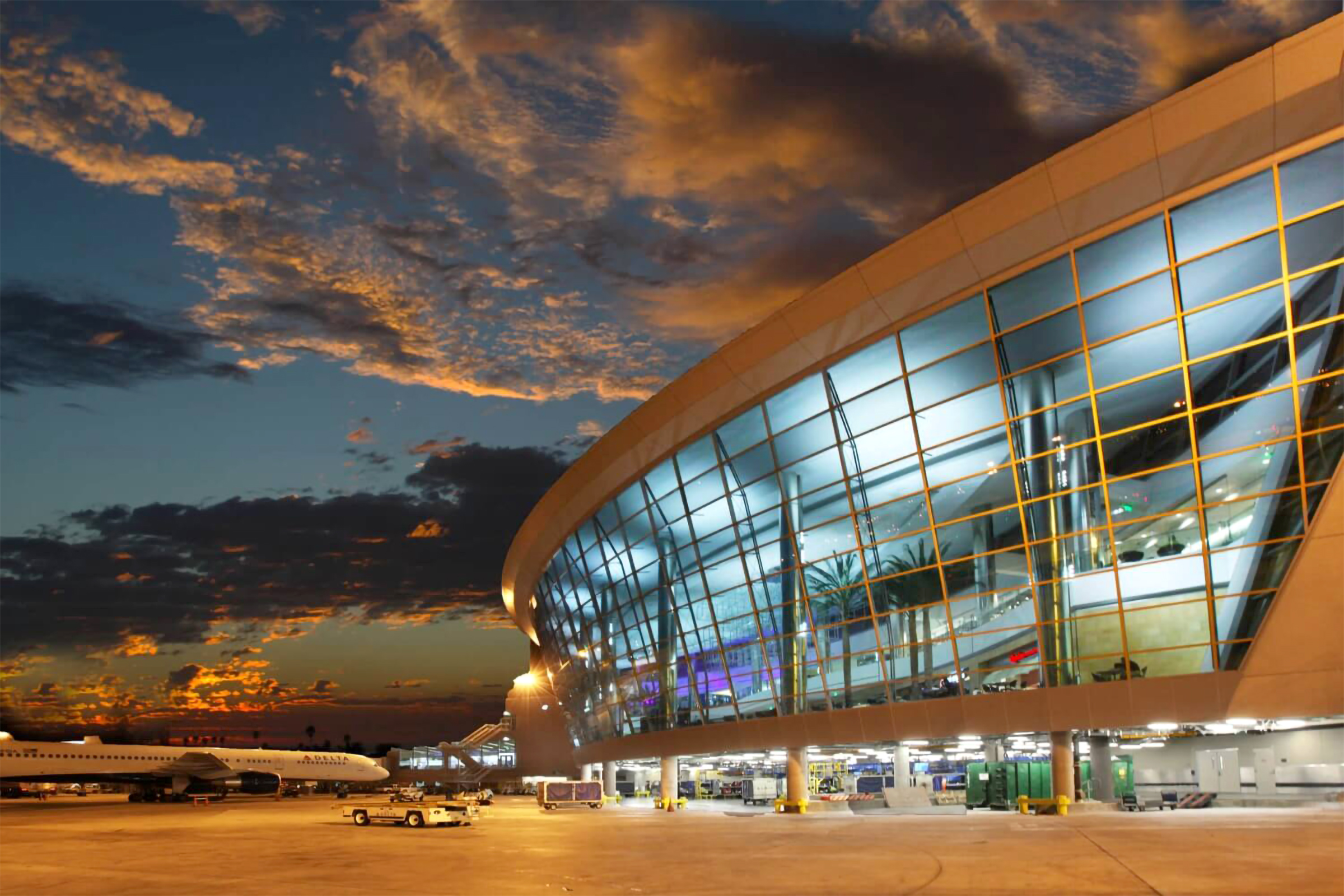
The ability to serve aviation clients in a variety of engineering disciplines and related services earned IMEG a Top 25 ranking (#24) on the 2026 Building Design + Construction Aviation Engineering Firms list. It was IMEG’s first year in the Top 25.
With an existing client list that includes major international hubs such as Los Angeles, John F. Kennedy, Denver, Salt Lake City, and Chicago O’Hare, and regional facilities across the country, IMEG’s Vice President of Federal Solutions Steve Rhoades thinks the sky is the limit for IMEG’s aviation practice.
“The company has worked with more than 100 airport clients on 1,000-plus projects worth more than $20 billion in construction value over the last 15 years,” Rhoades says. “Over that time, airports have become increasingly complex environments to design and modernize.”
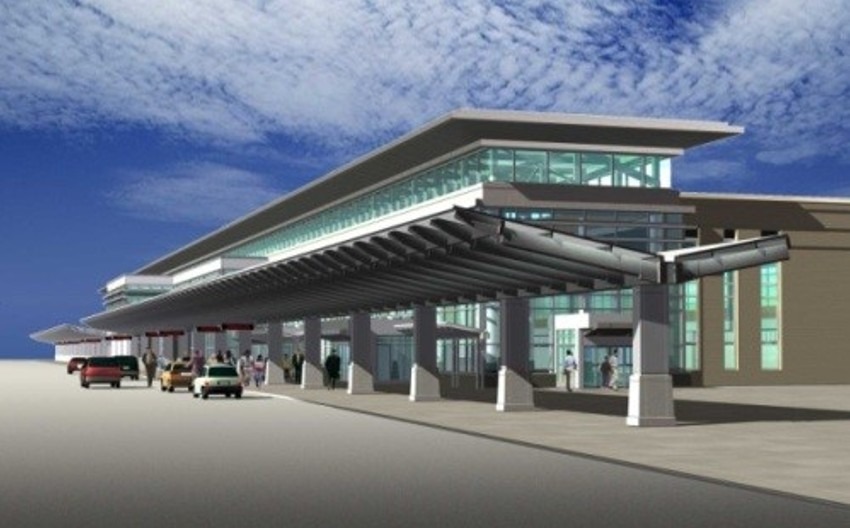
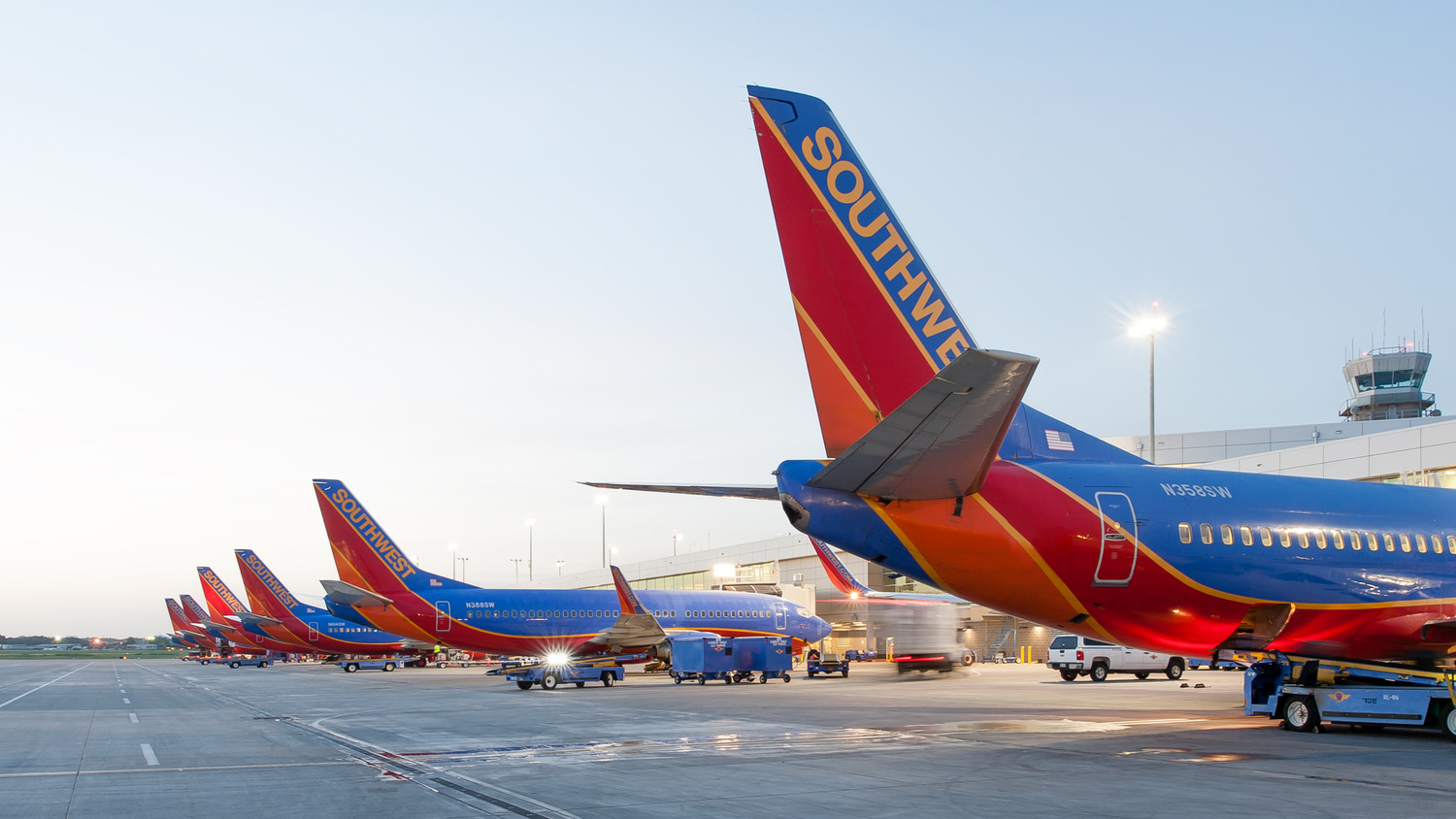
 Terminals, baggage systems, security screening, hangars and aircraft operations, parking, utilities, and passenger amenities function as parts of a coordinated whole—and construction and renovation must be done while existing facilities remain in operation, often around the clock.
Rhoades, who also oversees IMEG’s aviation market, says IMEG’s success comes from understanding the complexity of the work—federal regulations, airside and landside operations—and deep expertise in how decisions in one part of an airport affect the rest.
With more than 110 offices nationwide, IMEG is located close to many airports, Rhoades adds, allowing the firm to provide local multidisciplinary engineering services including MEP, structural, civil, and fire protection, along with specializations in aviation-critical areas like technology and security.
“An airport is almost a city within a city,” says Steve Lucy, IMEG Senior Director of Regional Marketing & Business Development. “It has its own dedicated fire service and security. It has warehousing and shipping and all different kinds of facilities, publicly and privately funded.”
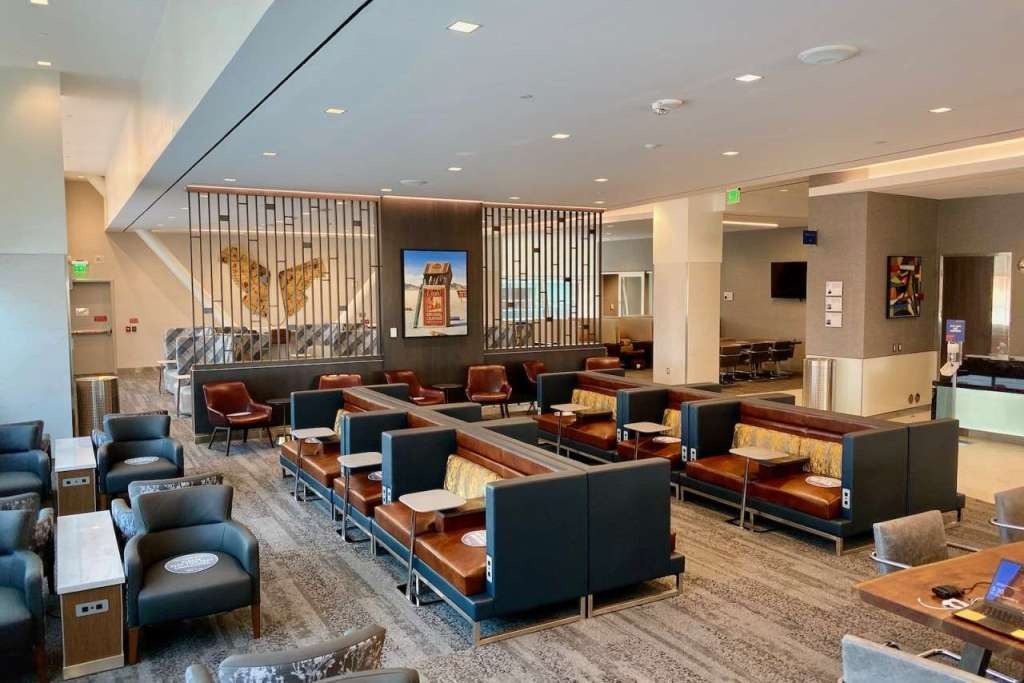
 Knowing each individual client and their needs is critical, says Senior Mechanical Designer Sophia Tampakis, adding that airport design, particularly in security and operations, has changed radically in the 25 years since Sept. 11, 2001. Customer expectations also have never been higher; the prevalence of passengers documenting their travel experiences on social media and the growing use of credit card points and rewards have ushered in a wave of branded lounges and increased perks. “There’s a bar being set across the board, and you don’t need to be an international airport. Every airport is feeling the duty to fulfill a need for clients and the public.”
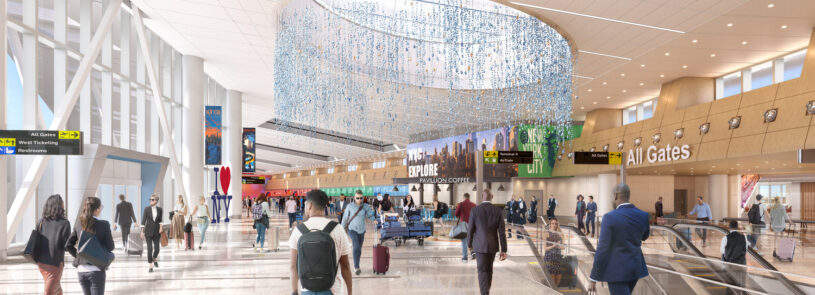
Tampakis sees this up close in IMEG’s mechanical and electrical engineering design for Terminal 6 at John F. Kennedy International Airport in New York. When complete, the 1.2 million-sf project will add 10 gates and house JFK Millennium Partners and JetBlue Airways, along with 100,000 square feet of commercial, dining, retail, lounges, and recreational space; new IMEG-designed infrastructure also supports a pooled fleet of electric ground support equipment.
IMEG has also made strategic acquisitions to better serve the aviation market, beginning in 2024 with JQ Engineering, a Texas-based structural engineering firm with extensive experience at Dallas-Fort Worth International Airport, Dallas Love Field Airport, and Dallas Aviation Department. Two years later the JW Group joined IMEG, bringing 30 years of experience in the technology and systems that help airports operate and evolve.
“There are still some old airports with communications equipment in mop closets,” says Jim Willis, founder of JW Group and now an IMEG client executive. “But airports have evolved tremendously—technology is getting more ingrained and finally has a seat at the table.”
 The prevalence and pace of change in technology means airport owners must now not only make decisions about the physical condition of their facilities but also how technology supports operations, security, passenger movement, and the use of airport space. Projects may involve multiple facilities and systems, each with their own technology requirements but all contributing to the same operating environment.
Those decisions can influence near-term project requirements and longer-term investment priorities; having aviation technology experts involved early is critical to project planning and success.
IMEG’s depth and breadth of aviation expertise helps the firm understand clients’ longer-term needs, providing the knowledge and innovation required to achieve positive outcomes for each phase of an airport facility’s development, Rhoades says.
“Aviation clients need coordinated solutions that account for how facilities, infrastructure, technology, and people interact within a complex operating environment,” he says.